.avif)
How to Handle "I Need to Think About It"

how to handle I need to think about it is a sales objection response for when a prospect seems interested but delays the decision. It helps you stay calm, ask better questions, and keep the deal moving. You just wrapped a great sales call. The prospect seemed interested, asked good questions, and stayed engaged the whole time. Then at the end, they hit you with it: "I need to think about it." Your heart sinks a little. You know what usually happens next. The follow up goes cold. They ghost your emails. The deal dies quietly in your CRM. Here's the thing: "I need to think about it" is almost never about needing more time. It's a polite exit ramp. Something's missing, and the prospect doesn't want to tell you what it is. The good news? You can handle this objection without sounding desperate or pushy. You just need to know what's really happening under the surface.
What "I Need to Think About It" Actually Means
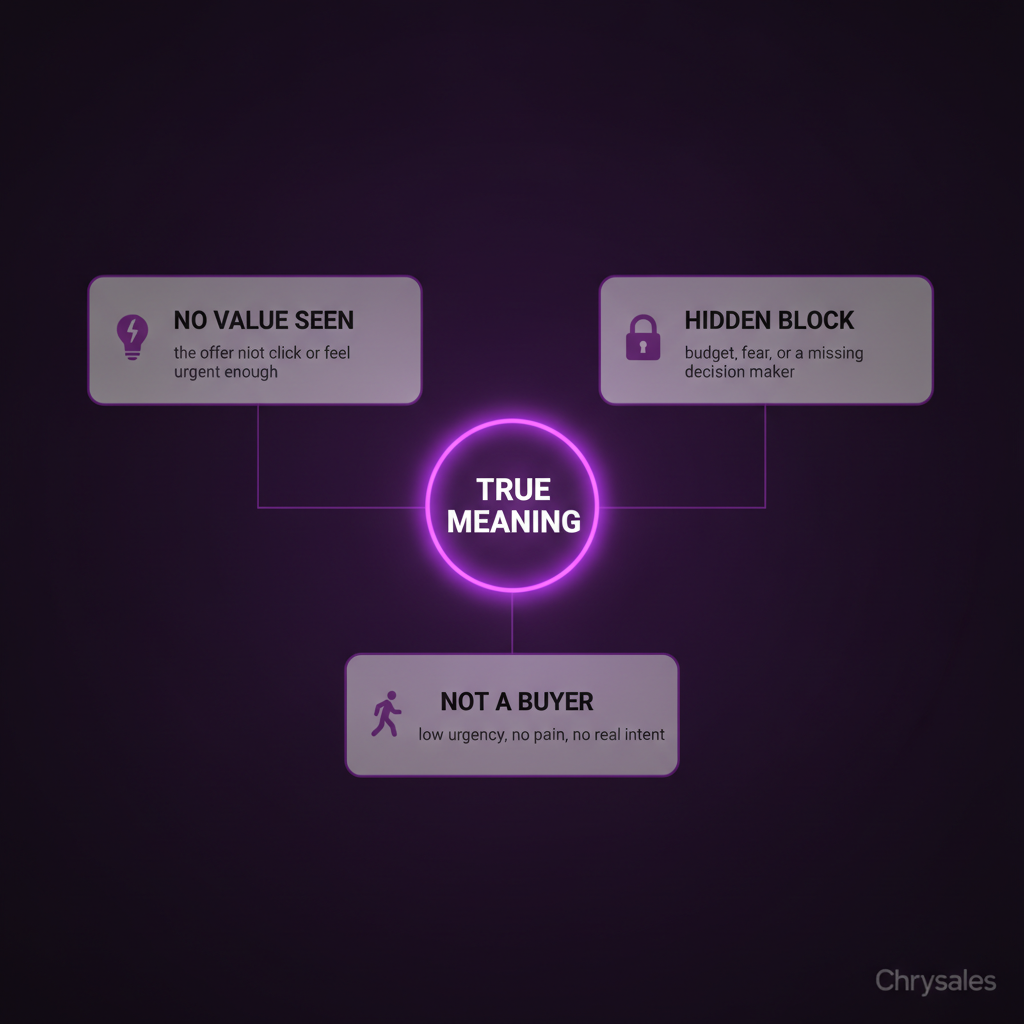
When someone says they need to think about it, they're usually saying one of three things without saying it directly.
They Don't See Enough Value
The offer didn't click. Maybe the problem you're solving doesn't feel urgent enough. Maybe the ROI isn't clear. Maybe they just don't believe it'll work for them. Whatever the reason, the value you presented didn't outweigh the cost in their mind. A 30 person consulting firm might say they need to think about it when they're not sure your sales training will actually help them close more deals. The connection between "better discovery calls" and "more revenue" isn't landing.
There's a Hidden Objection
Most of the time, this phrase is covering up something specific. Budget concerns. A bad experience with a similar service. Needing to loop in a partner or boss who wasn't on the call. Fear of making the wrong choice. They're not comfortable sharing the real reason, so they default to the safe response. Watch out: If you didn't ask enough questions during discovery, you won't know what the hidden objection is. That's why this phrase shows up more often on weak discovery calls.
They're Just Not That Interested
Sometimes the truth is simple. They took the call out of curiosity or politeness, but they're not a real buyer right now. No urgency, no pain, no budget. This isn't a sales objection you can overcome with better words. It's a qualification problem.
Why This Objection Shows Up in the First Place
Most B2B sales objections don't happen at the end of the call. They happen because something went wrong earlier in the process. If "I need to think about it" keeps popping up, it's worth looking at what happens before the close.
Weak Positioning or Offer
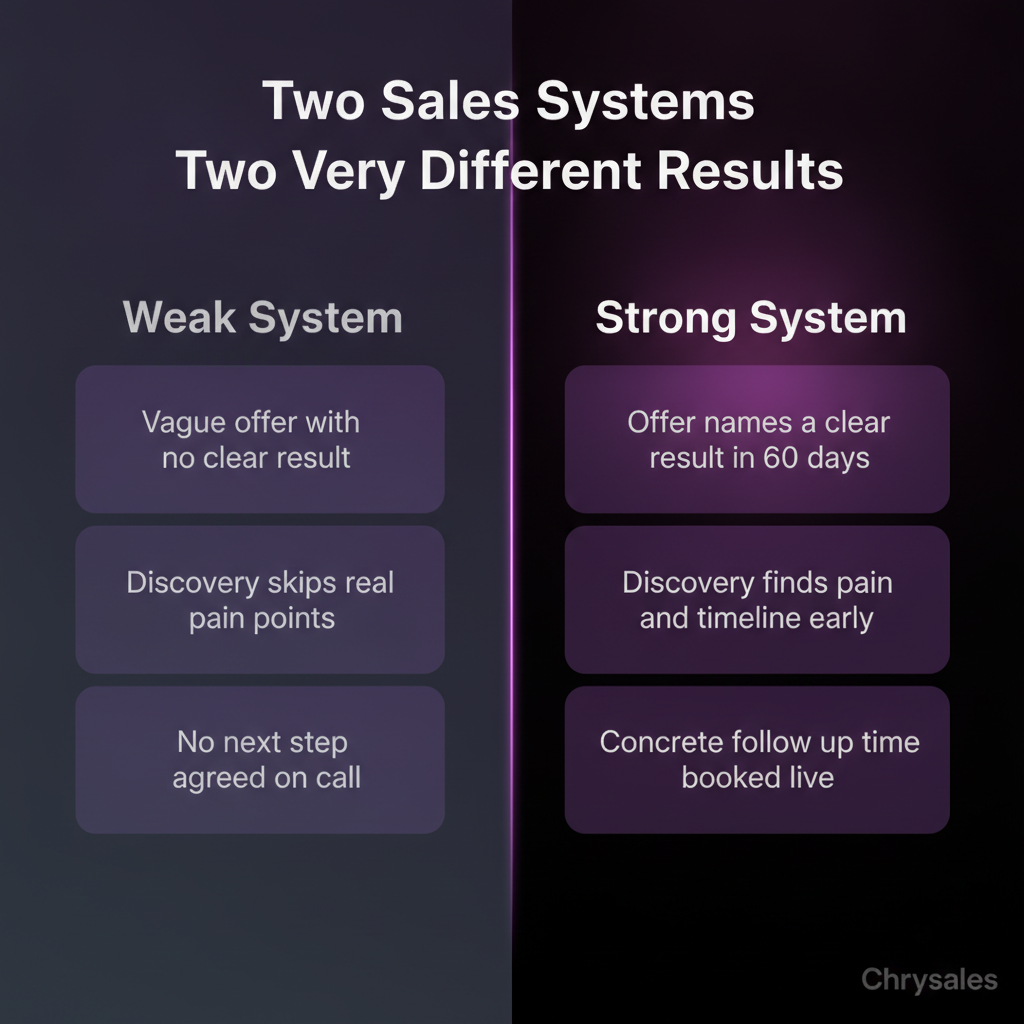
If your offer is confusing or sounds like everything else in the market, prospects don't have a clear reason to say yes. A vague promise like "we help you grow sales" doesn't stick. Compare that to "we build a custom appointment booking system that fills your calendar with qualified leads in 30 days." One is forgettable. The other is specific. Think of your offer like a menu at a restaurant. If every item sounds the same and the descriptions are generic, people take longer to decide. Some just leave.
Discovery Didn't Go Deep Enough
If you didn't uncover the real pain points, urgency, and decision making process during the call, you're guessing at what matters to them. You can't present a compelling solution to a problem you don't fully understand. Common mistake: Jumping straight into your pitch without spending 60% of the call asking questions. Discovery is where you win or lose the deal.
No Clear Next Step
When you don't set a concrete next step during the call, "I need to think about it" becomes the default. People don't know what happens next, so they stall. A clear next step could be a follow up call, a proposal review meeting, or even a trial period. Anything that keeps the conversation moving forward.
The Framework for Handling It Without Being Pushy
Here's a simple three part approach that works for most B2B sales situations. It keeps the conversation open, surfaces the real objection, and gives you a path forward. You can also apply this sales conversation control framework to stay in control without sounding aggressive.
Step 1: Acknowledge and Validate
Don't resist the objection. Don't try to talk them out of it immediately. That feels pushy and makes people defensive. Instead, validate their need to think. Try something like: "That makes sense. This is an important decision, and I want you to feel confident about it." This disarms them. You're not pressuring. You're agreeing that thinking it through is reasonable.
Step 2: Isolate the Real Concern
Now dig gently. The goal is to figure out what they're actually thinking about. Most of the time, they'll tell you if you ask the right way. Here are a few questions that work:
- "Just so I can help, what specifically would you like to think about?"
- "Is there something I didn't cover that would be helpful to go over now?"
- "Usually when someone says that, it's because something didn't quite click. What part didn't feel like the right fit?"
These questions sound curious, not confrontational. You're giving them permission to share the real hesitation. Pro Tip: Pause after asking. Let them fill the silence. Most people will tell you the truth if you give them space.
Step 3: Address the Real Objection or Set a Concrete Follow Up
Once they share the actual concern, you have two options. If it's something you can address on the spot, like a misunderstanding about pricing or how the service works, handle it now. Walk them through it clearly. Then ask if that clears it up. If it's something that genuinely needs more time, like checking budget with a partner or reviewing a proposal, set a specific follow up. Don't leave it vague. Say: "Got it. How about we reconnect Thursday at 2 PM? That gives you time to review, and we can answer any questions that come up." A specific time and date keeps the deal alive. "Let's touch base next week sometime" almost always ends in a ghosted email.
What to Say in the Moment (Scripts That Don't Sound Scripted)
You don't need to memorize word for word scripts, but having a few flexible responses ready helps. Here are some that work in real B2B sales conversations, and you can learn more about proven strategies for handling this specific objection from industry research.
Option 1: The Direct Diagnostic
"That's completely fair. Just so I'm on the same page, is there a specific part of this that doesn't feel like the right fit, or is it more about timing?" This gives them two clear paths to respond. Either they'll tell you the real objection, or they'll admit it's a timing issue, which might mean low urgency or budget.
Option 2: The Permission Based Probe
"No problem at all. I want to make sure I didn't miss anything important. Is there something holding you back that we haven't talked through yet?" This sounds collaborative. You're not pushing. You're making sure you didn't drop the ball.
Option 3: The Next Step Anchor
"Totally understand. What would make sense as a next step? Should we schedule a time to go over any questions after you've had a chance to think, or would you prefer I send over some additional information first?" This keeps the conversation moving without being aggressive. You're giving them control while still anchoring a next action. Watch out: If they dodge all three and say they'll reach out when ready, that's usually a soft no. You can try one more follow up email in a few days, but don't chase hard.
When to Let It Go (and When to Push a Little)
Not every "I need to think about it" is worth fighting for. Sometimes the best move is to let it go gracefully and focus on better qualified leads. Understanding buying signals and when to follow up to close deals helps you determine which prospects deserve more effort.
Signs It's Time to Move On
If the prospect won't share what they're thinking about, dodges every follow up attempt, or gives vague non answers, they're probably not interested. Chasing them hurts your time and your reputation. A marketing agency that keeps following up with someone who clearly isn't engaged looks desperate. Better to send a polite "let me know if anything changes" email and move on.
Signs It's Worth One More Push
If they gave a specific concern and you can address it, or if they're genuinely busy and asked for a concrete follow up time, stay on it. These are real opportunities. One tech company we worked with had a prospect say they needed to think about it because they weren't sure they had the bandwidth to implement a new sales system. We sent a quick breakdown showing the implementation takes less than two hours a week for the first month. They booked a follow up and signed two weeks later.
How a Strong Sales System Prevents This Objection
Here's what most people don't talk about: if you're hearing "I need to think about it" on half your calls, the problem isn't your rebuttals. It's your sales system. Watch How To Build a Sales System So Powerful Clients Come To You for a complete breakdown of how systematic qualification and discovery prevent most objections before they happen.
Better Lead Qualification
A solid B2B lead generation process filters out tire kickers before they get on your calendar. If your lead scoring system flags companies that aren't ready to buy, you spend less time with people who were never going to close. Picture this: you spend two weeks perfecting your pitch, but half the people you're talking to don't have budget or authority. That's not a closing problem. That's a qualification problem.
Stronger Discovery Process
When your sales training includes structured discovery questions, you uncover objections early. You know their pain points, their budget, their timeline, and who else needs to sign off. By the time you present your offer, there are no surprises. We see this all the time with clients who come to us after trying to wing their sales calls. Once they follow a repeatable discovery structure, the "I need to think about it" rate drops by 60% or more. Implementing effective closing techniques for discovery calls helps you address concerns before they become deal blockers.
No Brainer Offer Positioning
If your offer is positioned clearly and solves a specific urgent problem, prospects don't need time to think. They either see the value or they don't. A well positioned offer makes the decision easy. Compare "we do sales consulting" to "we build you a lead generation system that books 15 qualified calls a month within 60 days, or you don't pay." One is vague. The other is concrete and low risk.
Training Your Team to Handle This Consistently
If you're scaling a sales team, everyone needs to handle objections the same way. Inconsistent responses lead to inconsistent results. For comprehensive guidance on creating repeatable processes, review this proven framework for overcoming common sales objections across your entire team.
Build Objection Handling Scripts
Create a simple doc with 4 5 go to responses for common objections, including "I need to think about it." Train your team on the framework, not just the words. They should understand why each response works, so they can adapt it to different situations. Common mistake: Handing someone a script without explaining the strategy behind it. They'll sound robotic, and prospects will feel it.
Role Play the Objection
Run practice calls where one person plays the prospect and throws out objections. This makes your team comfortable with the responses so they don't freeze up on real calls. A 15 person consulting firm we trained does objection role plays every Monday morning. It takes 20 minutes. Their close rate went up 18% in the first quarter.
Track What Works
Use your CRM or a simple spreadsheet to log how often each objection comes up and which responses move deals forward. If one approach consistently works better, make it the standard. When you build a sales system that actually scales, tracking and optimizing objection responses becomes part of your continuous improvement process.
Frequently Asked Questions
Q: What if the prospect genuinely needs time to review a proposal with their team?
That's completely fair, and it's different from a brush off. Set a specific follow up meeting for after they've had time to review. Ask who else will be looking at it and if there's anything specific they'll be evaluating. This keeps you in the loop and shows you're helpful, not pushy.
Q: How many times should I follow up after hearing "I need to think about it"?
Two to three times over two weeks is reasonable for most B2B sales. Send a helpful resource or answer a question in your first follow up. Check in with a specific next step in your second. If they don't respond to the third, let it go and mark them for a later nurture sequence.
Q: Is it ever okay to ask directly if they're just not interested?
Yes, but frame it the right way. Try: "I want to respect your time. If this isn't the right fit or the timing's off, no worries at all. Just let me know so I'm not bugging you." Most people appreciate the honesty and will either re engage or tell you straight up.
Q: What if I didn't do good discovery and now they want to think about it?
You can still ask what specifically they want to think about and try to uncover the real objection. If that doesn't work, offer to schedule a second call where you dig deeper into their situation. Frame it as "I want to make sure I'm giving you the right solution, and I think a few more questions would help."
Q: Does this objection mean my offer or pitch was bad?
Not always, but if you hear it constantly, yes. Look at your offer positioning, your discovery process, and your lead qualification. One of those three is probably weak. A strong sales system prevents most objections from ever coming up in the first place.
how to handle I need to think about it is a sales objection response for when a prospect seems interested but delays the decision. It helps you stay calm, ask better questions, and keep the deal moving. You just wrapped a great sales call. The prospect seemed interested, asked good questions, and stayed engaged the whole time. Then at the end, they hit you with it: "I need to think about it." Your heart sinks a little. You know what usually happens next. The follow up goes cold. They ghost your emails. The deal dies quietly in your CRM. Here's the thing: "I need to think about it" is almost never about needing more time. It's a polite exit ramp. Something's missing, and the prospect doesn't want to tell you what it is. The good news? You can handle this objection without sounding desperate or pushy. You just need to know what's really happening under the surface.
What "I Need to Think About It" Actually Means
When someone says they need to think about it, they're usually saying one of three things without saying it directly.
They Don't See Enough Value
The offer didn't click. Maybe the problem you're solving doesn't feel urgent enough. Maybe the ROI isn't clear. Maybe they just don't believe it'll work for them. Whatever the reason, the value you presented didn't outweigh the cost in their mind. A 30 person consulting firm might say they need to think about it when they're not sure your sales training will actually help them close more deals. The connection between "better discovery calls" and "more revenue" isn't landing.
There's a Hidden Objection
Most of the time, this phrase is covering up something specific. Budget concerns. A bad experience with a similar service. Needing to loop in a partner or boss who wasn't on the call. Fear of making the wrong choice. They're not comfortable sharing the real reason, so they default to the safe response. Watch out: If you didn't ask enough questions during discovery, you won't know what the hidden objection is. That's why this phrase shows up more often on weak discovery calls.
They're Just Not That Interested
Sometimes the truth is simple. They took the call out of curiosity or politeness, but they're not a real buyer right now. No urgency, no pain, no budget. This isn't a sales objection you can overcome with better words. It's a qualification problem.
Why This Objection Shows Up in the First Place
Most B2B sales objections don't happen at the end of the call. They happen because something went wrong earlier in the process. If "I need to think about it" keeps popping up, it's worth looking at what happens before the close.
Weak Positioning or Offer
If your offer is confusing or sounds like everything else in the market, prospects don't have a clear reason to say yes. A vague promise like "we help you grow sales" doesn't stick. Compare that to "we build a custom appointment booking system that fills your calendar with qualified leads in 30 days." One is forgettable. The other is specific. Think of your offer like a menu at a restaurant. If every item sounds the same and the descriptions are generic, people take longer to decide. Some just leave.
Discovery Didn't Go Deep Enough
If you didn't uncover the real pain points, urgency, and decision making process during the call, you're guessing at what matters to them. You can't present a compelling solution to a problem you don't fully understand. Common mistake: Jumping straight into your pitch without spending 60% of the call asking questions. Discovery is where you win or lose the deal.
No Clear Next Step
When you don't set a concrete next step during the call, "I need to think about it" becomes the default. People don't know what happens next, so they stall. A clear next step could be a follow up call, a proposal review meeting, or even a trial period. Anything that keeps the conversation moving forward.
The Framework for Handling It Without Being Pushy
Here's a simple three part approach that works for most B2B sales situations. It keeps the conversation open, surfaces the real objection, and gives you a path forward. You can also apply this sales conversation control framework to stay in control without sounding aggressive.
Step 1: Acknowledge and Validate
Don't resist the objection. Don't try to talk them out of it immediately. That feels pushy and makes people defensive. Instead, validate their need to think. Try something like: "That makes sense. This is an important decision, and I want you to feel confident about it." This disarms them. You're not pressuring. You're agreeing that thinking it through is reasonable.
Step 2: Isolate the Real Concern
Now dig gently. The goal is to figure out what they're actually thinking about. Most of the time, they'll tell you if you ask the right way. Here are a few questions that work:
- "Just so I can help, what specifically would you like to think about?"
- "Is there something I didn't cover that would be helpful to go over now?"
- "Usually when someone says that, it's because something didn't quite click. What part didn't feel like the right fit?"
These questions sound curious, not confrontational. You're giving them permission to share the real hesitation. Pro Tip: Pause after asking. Let them fill the silence. Most people will tell you the truth if you give them space.
Step 3: Address the Real Objection or Set a Concrete Follow Up
Once they share the actual concern, you have two options. If it's something you can address on the spot, like a misunderstanding about pricing or how the service works, handle it now. Walk them through it clearly. Then ask if that clears it up. If it's something that genuinely needs more time, like checking budget with a partner or reviewing a proposal, set a specific follow up. Don't leave it vague. Say: "Got it. How about we reconnect Thursday at 2 PM? That gives you time to review, and we can answer any questions that come up." A specific time and date keeps the deal alive. "Let's touch base next week sometime" almost always ends in a ghosted email.
What to Say in the Moment (Scripts That Don't Sound Scripted)
You don't need to memorize word for word scripts, but having a few flexible responses ready helps. Here are some that work in real B2B sales conversations, and you can learn more about proven strategies for handling this specific objection from industry research.
Option 1: The Direct Diagnostic
"That's completely fair. Just so I'm on the same page, is there a specific part of this that doesn't feel like the right fit, or is it more about timing?" This gives them two clear paths to respond. Either they'll tell you the real objection, or they'll admit it's a timing issue, which might mean low urgency or budget.
Option 2: The Permission Based Probe
"No problem at all. I want to make sure I didn't miss anything important. Is there something holding you back that we haven't talked through yet?" This sounds collaborative. You're not pushing. You're making sure you didn't drop the ball.
Option 3: The Next Step Anchor
"Totally understand. What would make sense as a next step? Should we schedule a time to go over any questions after you've had a chance to think, or would you prefer I send over some additional information first?" This keeps the conversation moving without being aggressive. You're giving them control while still anchoring a next action. Watch out: If they dodge all three and say they'll reach out when ready, that's usually a soft no. You can try one more follow up email in a few days, but don't chase hard.
When to Let It Go (and When to Push a Little)
Not every "I need to think about it" is worth fighting for. Sometimes the best move is to let it go gracefully and focus on better qualified leads. Understanding buying signals and when to follow up to close deals helps you determine which prospects deserve more effort.
Signs It's Time to Move On
If the prospect won't share what they're thinking about, dodges every follow up attempt, or gives vague non answers, they're probably not interested. Chasing them hurts your time and your reputation. A marketing agency that keeps following up with someone who clearly isn't engaged looks desperate. Better to send a polite "let me know if anything changes" email and move on.
Signs It's Worth One More Push
If they gave a specific concern and you can address it, or if they're genuinely busy and asked for a concrete follow up time, stay on it. These are real opportunities. One tech company we worked with had a prospect say they needed to think about it because they weren't sure they had the bandwidth to implement a new sales system. We sent a quick breakdown showing the implementation takes less than two hours a week for the first month. They booked a follow up and signed two weeks later.
How a Strong Sales System Prevents This Objection
Here's what most people don't talk about: if you're hearing "I need to think about it" on half your calls, the problem isn't your rebuttals. It's your sales system. Watch How To Build a Sales System So Powerful Clients Come To You for a complete breakdown of how systematic qualification and discovery prevent most objections before they happen.
Better Lead Qualification
A solid B2B lead generation process filters out tire kickers before they get on your calendar. If your lead scoring system flags companies that aren't ready to buy, you spend less time with people who were never going to close. Picture this: you spend two weeks perfecting your pitch, but half the people you're talking to don't have budget or authority. That's not a closing problem. That's a qualification problem.
Stronger Discovery Process
When your sales training includes structured discovery questions, you uncover objections early. You know their pain points, their budget, their timeline, and who else needs to sign off. By the time you present your offer, there are no surprises. We see this all the time with clients who come to us after trying to wing their sales calls. Once they follow a repeatable discovery structure, the "I need to think about it" rate drops by 60% or more. Implementing effective closing techniques for discovery calls helps you address concerns before they become deal blockers.
No Brainer Offer Positioning
If your offer is positioned clearly and solves a specific urgent problem, prospects don't need time to think. They either see the value or they don't. A well positioned offer makes the decision easy. Compare "we do sales consulting" to "we build you a lead generation system that books 15 qualified calls a month within 60 days, or you don't pay." One is vague. The other is concrete and low risk.
Training Your Team to Handle This Consistently
If you're scaling a sales team, everyone needs to handle objections the same way. Inconsistent responses lead to inconsistent results. For comprehensive guidance on creating repeatable processes, review this proven framework for overcoming common sales objections across your entire team.
Build Objection Handling Scripts
Create a simple doc with 4 5 go to responses for common objections, including "I need to think about it." Train your team on the framework, not just the words. They should understand why each response works, so they can adapt it to different situations. Common mistake: Handing someone a script without explaining the strategy behind it. They'll sound robotic, and prospects will feel it.
Role Play the Objection
Run practice calls where one person plays the prospect and throws out objections. This makes your team comfortable with the responses so they don't freeze up on real calls. A 15 person consulting firm we trained does objection role plays every Monday morning. It takes 20 minutes. Their close rate went up 18% in the first quarter.
Track What Works
Use your CRM or a simple spreadsheet to log how often each objection comes up and which responses move deals forward. If one approach consistently works better, make it the standard. When you build a sales system that actually scales, tracking and optimizing objection responses becomes part of your continuous improvement process.
Frequently Asked Questions
Q: What if the prospect genuinely needs time to review a proposal with their team?
That's completely fair, and it's different from a brush off. Set a specific follow up meeting for after they've had time to review. Ask who else will be looking at it and if there's anything specific they'll be evaluating. This keeps you in the loop and shows you're helpful, not pushy.
Q: How many times should I follow up after hearing "I need to think about it"?
Two to three times over two weeks is reasonable for most B2B sales. Send a helpful resource or answer a question in your first follow up. Check in with a specific next step in your second. If they don't respond to the third, let it go and mark them for a later nurture sequence.
Q: Is it ever okay to ask directly if they're just not interested?
Yes, but frame it the right way. Try: "I want to respect your time. If this isn't the right fit or the timing's off, no worries at all. Just let me know so I'm not bugging you." Most people appreciate the honesty and will either re engage or tell you straight up.
Q: What if I didn't do good discovery and now they want to think about it?
You can still ask what specifically they want to think about and try to uncover the real objection. If that doesn't work, offer to schedule a second call where you dig deeper into their situation. Frame it as "I want to make sure I'm giving you the right solution, and I think a few more questions would help."
Q: Does this objection mean my offer or pitch was bad?
Not always, but if you hear it constantly, yes. Look at your offer positioning, your discovery process, and your lead qualification. One of those three is probably weak. A strong sales system prevents most objections from ever coming up in the first place.
Scaling Is Not Hard If You Have The Right Systems
If you’re serious about leveling up your scaling game, you need the right system, the right training, and the right team behind you. We're here to give you the exact tools and strategies top entrepreneurs use to dominate.

Discover the latest tips
View All.avif)
Chrysales was formed from the words "chrysalis" the stage where a caterpillar transforms into a butterfly and "sales".
It stands for one thing: sales transformation.Because scaling doesn’t happen by doing more of the same. Scaling only happens when you go through real transformation in your systems, your offer, team and the way you sell.
.avif)


